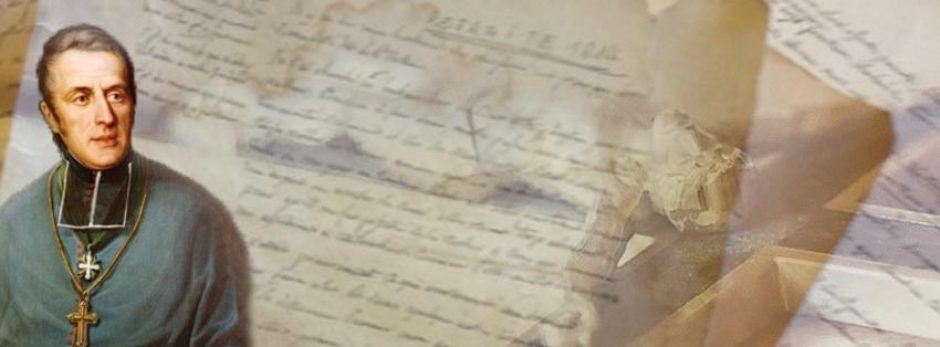
After the Revolution, the restoration of the monarchy had ensured the restoration of religion. In this climate, Eugene was able to work freely with the youth of Aix and also to imagine starting a group of mission preachers to restore religion to France. On 1 March 1815, however, Napoleon escaped from his exile in Elba and re-established his power in what came to be known as the “Hundred Days.” This event filled Eugene with gloom because all his dreams of religious renewal were in danger, and his youth work threatened.
Always a man of action, he writes to his father about his reaction – there was no way in which he could remain a passive onlooker. He had offered his services as a chaplain to the Duke of Angouléme, who at the head of some regular troops had tried to put up some opposition to the soldiers loyal to Napoleon:
… However low my opinion of the human race could be, I would never have gone so far as to suppose it could sink so low as we see it now. What a nation we are! Along with faith, it has lost all sense of honour, integrity, etc. One group openly betrays the most sacred of causes; they give their oath only the better to deceive an all too generous Prince who had heaped these traitors with favours and benefactions…
Egoism has led to total aridity, national honour has gone by the board along with religion. What a despicable people! But we must be fair; it is the army who are guilty of this crime rather than the nation. You can see this clearly in these parts and in several other provinces.
I have only time to assure you we are well, that I am the calmest of men and the one least alarmed. My trust in Providence is unlimited. I have written His Grace the Duke of Angouléme to offer him my services for his troops. I have not heard a thing in reply, perhaps I never will; but I have done my duty, which required of me this act of allegiance. Not being able to serve my King with a sword, I must serve him with every means my ministry gives me.
Letter to Charles Antoine de Mazenod, 26 March 1815, O.W. XV n. 132