-
Recent Posts
- PAPAL APPROBATION: RECOGNIZING THAT THE CHURCH HAS SPOKEN
- PAPAL APPROBATION: RECOGNIZING OUR SUPERIOR GENERAL AS OUR SPECIAL STRENGTH AND SUPPORT
- PAPAL APPROBATION: RECOGNIZING OUR NAME AS THE EXPRESSION OF OUR IDENTITY
- PAPAL APPROBATION: TO CONTINUE CARRYING OUT OUR DUTY WORTHILY, FAITHFULLY FULFILLING OUR SPLENDID VOCATION
- PAPAL APPROBATION: THE OBLATE COMMITMENT TO BEING COOPERATORS OF THE SAVIOR IS RECOGNIZED AND GIVEN A LEGAL STANDING IN THE CHURCH, THE BODY OF CHRIST
Recent Comments
- Mildred March on A SUMMARY OF TEN YEARS OF OBLATE MINISTRY
- Eleanor Rabnett, Lay Oblate on FAITH-FOCUSED INVESTMENT GROUPS: A PRESENCE WHERE DECISIONS AFFECTING THE FUTURE OF THE POOR ARE BEING MADE (Rule 9a)
- Eleanor Rabnett, Lay Oblate on VIVAT: A PRESENCE WHERE DECISIONS AFFECTING THE FUTURE OF THE POOR ARE BEING MADE (Rule 9a)
- Eleanor Rabnett, Lay Oblate on WE SHOW A VERY HUMAN FACE OF JESUS TO THE WORLD, ONE FULL OF COMPASSION AND SOLIDARITY (Rule 9a)
- Eleanor Rabnett, Lay Oblate on JUSTICE, PEACE AND THE INTEGRITY OF CREATION AS AN INTEGRAL PART OF EVANGELIZATION (Rule 9a)
Archives
Meta
-
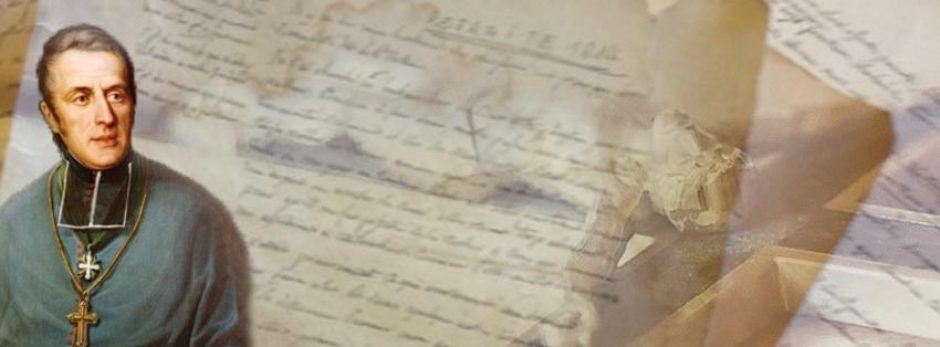
“A father’s communication with his many children… that is one of the most agreeable occupations of my life” 1857
What an introduction to this young Oblate. I took time to read a little bit of his story in the Historical Dictionary. Baret was a man of the heart, young and impetuous and who was very much a missionary who spent his life in obedience as he was sent to many different places to offer himself as a model of preaching and inspiring. He reminds me a bit of Eugene himself in his younger years. I have a feeling that Baret brought a balance to the many students he met, the novices that he taught.
And dear Eugene was honest with him, and while appreciating what Baret and gone and done on his own, he did not condone the method that he took in doing it without first asking permission from his superiors. I think of Henri Tempier who brought an order into Eugene’s life and they were like a balance to each other. Perhaps that is what community is about. And again I am reminded of the ongoing theme from the General Chapter – Pilgrims of hope in communion.