-
Recent Posts
- LET ALL OF YOU REDOUBLE YOUR FERVOUR AND EXACTITUDE FOR THE OBSERVANCE OF THE RULES.
- I COULD NOT HOLD BACK MY TEARS, SO TOUCHED WAS MY HEART BY THIS GOODNESS. IT IS SOMETHING EXTRAORDINARY AND WE CAN ONLY BE DUMBFOUNDED BEFORE GOD AT THIS PROTECTION
- “THIS SOCIETY PLEASES ME; I KNOW THE GOOD IT DOES… MY INTENTION IS NOT MERELY THAT THESE RULES BE PRAISED BUT THAT THEY BE APPROVED” (POPE LEO XII)
- IT IS IN THIS STATE OF HOLY ABANDON THAT I WAITED
- EUGENE PLACED THE RULE AT THE TOMB OF PETER AND IMPLORED HIM AND SAINT PAUL AND THE OTHER HOLY POPES WHO ARE BURIED IN THE SAME PLACE, TO ACCEPT AND BLESS THEM.
Recent Comments
- Mildred March on A SUMMARY OF TEN YEARS OF OBLATE MINISTRY
- Eleanor Rabnett, Lay Oblate on FAITH-FOCUSED INVESTMENT GROUPS: A PRESENCE WHERE DECISIONS AFFECTING THE FUTURE OF THE POOR ARE BEING MADE (Rule 9a)
- Eleanor Rabnett, Lay Oblate on VIVAT: A PRESENCE WHERE DECISIONS AFFECTING THE FUTURE OF THE POOR ARE BEING MADE (Rule 9a)
- Eleanor Rabnett, Lay Oblate on WE SHOW A VERY HUMAN FACE OF JESUS TO THE WORLD, ONE FULL OF COMPASSION AND SOLIDARITY (Rule 9a)
- Eleanor Rabnett, Lay Oblate on JUSTICE, PEACE AND THE INTEGRITY OF CREATION AS AN INTEGRAL PART OF EVANGELIZATION (Rule 9a)
Archives
Meta
-
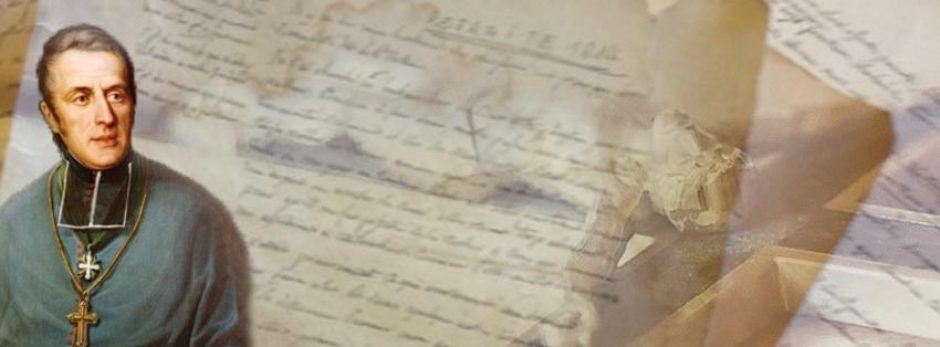
“A father’s communication with his many children… that is one of the most agreeable occupations of my life” 1857
One size does not always fit all!
I think of how the first disciples were sent out, first to the Jews and then to the others throughout the world. I think of Paul’s letters to the Romans and to the Ephesians and others – the message was written and directed to particular groups of people. The message itself did not change, but the language of those messages took into account diverse ways of thinking and living, different cultures and norms, and none was better than the other.
Although Oblates are now in parishes throughout the world they still preach and touched those who are the voiceless, the abandoned, the poorest of the poor… For many it is physical poverty, while for others it may be hidden. There is the immense poverty of those who do not know what it is to hear God speak their name. They wait in hope of it somehow happening to them.
I think of those who have heard God call their name and who have responded to the invitation to walk with St. Eugene de Mazenod and with members of the Mazenodian Family. They know what it is to be poor, to have felt abandoned in some way, they recognize and know what it is to be without a voice, but most importantly they know the gift that God has given to them, and they simply want to share their experience of God, just as others have done with them.
The world has changed since Eugene’s time, and yet there are aspects which remain present today. The Oblates and the member of the Mazenodian Family find ways to reach out to the poor with their many faces. To reach out, not just with money or things, but with their hearts open to sharing and leading others. “We must lead men [and women] to act like human beings, first of all, and then like Christians, and, finally, we must help them to become saints.”
I think of Jesus; how he came and did not abandon or throw out the old law. He showed us a way to live those laws more fully; with a new focus and different practices that incorporated and incarnated the old. It is Jesus who is our model, no matter what seems to be written in stone. It is Jesus who is our model of love. And is this not how we are called to live our oblation of discipleship with one another, be it in a mission or a parish or wherever we are planted?